You don’t need to own a single book to have access to every story ever written. You don’t need to buy music when every song in existence is just a click away.
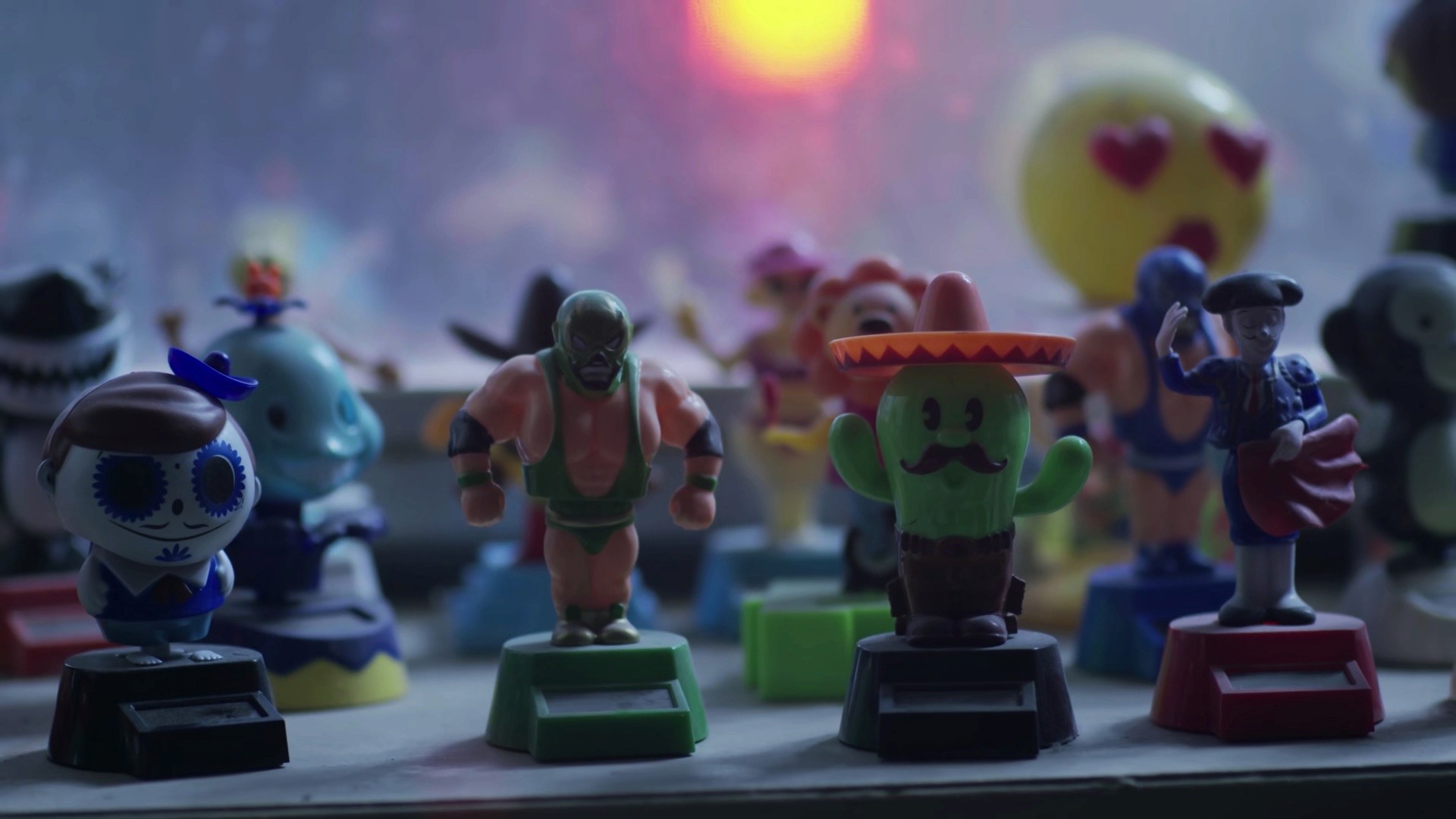
You don’t even need a shelf of movies when streaming puts entire film libraries in your pocket. We live in an era where ownership is optional—where anything can be borrowed, streamed, or replaced. And yet, collecting is thriving. From vinyl records to Funko Pops, from rare sneakers to vintage T-shirts, people are still curating, searching, and displaying. Why do we chase the limited edition, the hard-to-find, the one missing piece? Why does the thrill of the hunt still matter when anything we want can be delivered overnight?
A collection isn’t just a display—it’s a personal archive, a timeline of experiences, a way to hold onto the moments that matter. The objects we collect become more than possessions; they turn into tangible reminders of who we are, where we’ve been, and what we love. In a time when everything feels fleeting, collecting gives us something to hold onto—something real, something lasting, something that tells a story only we can tell.
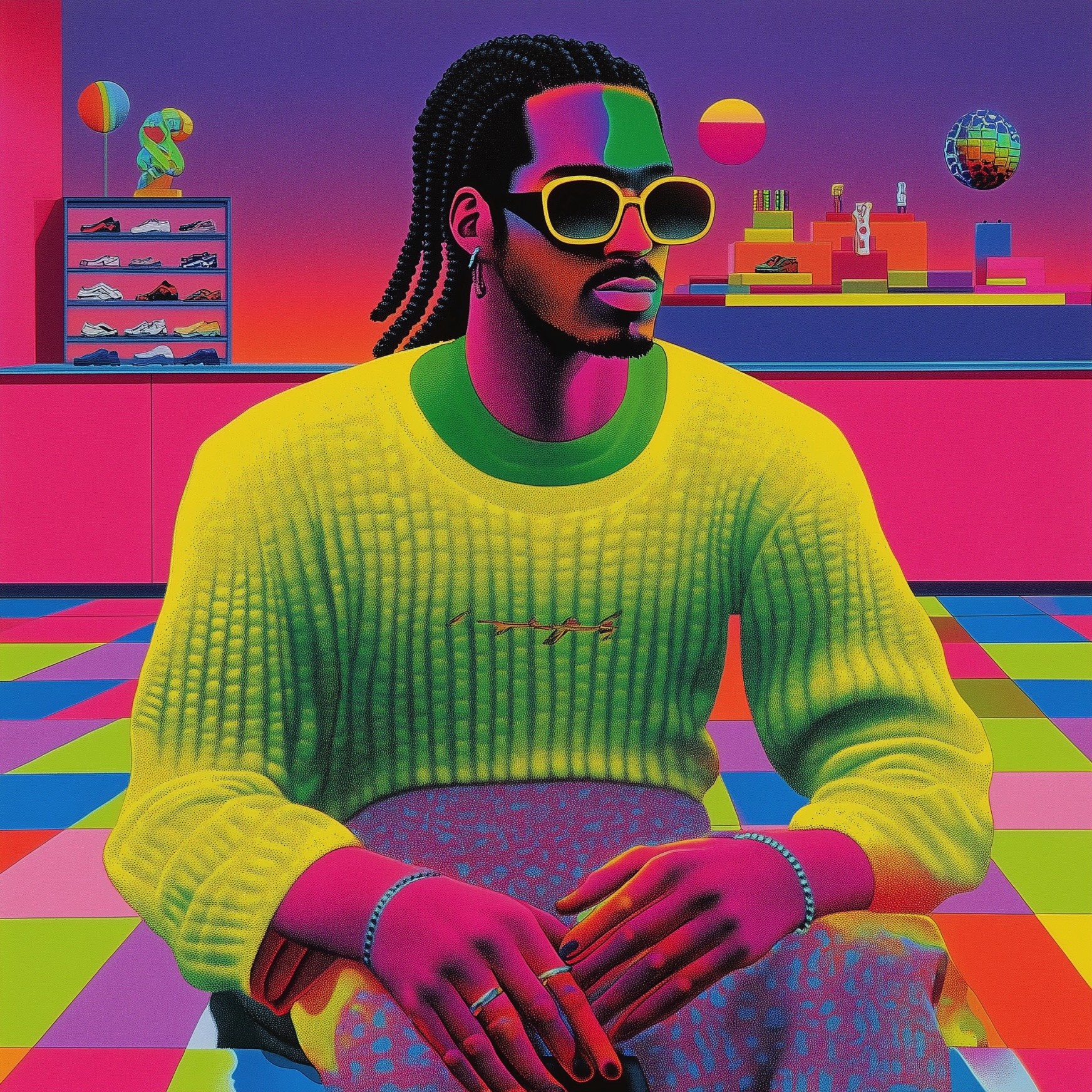
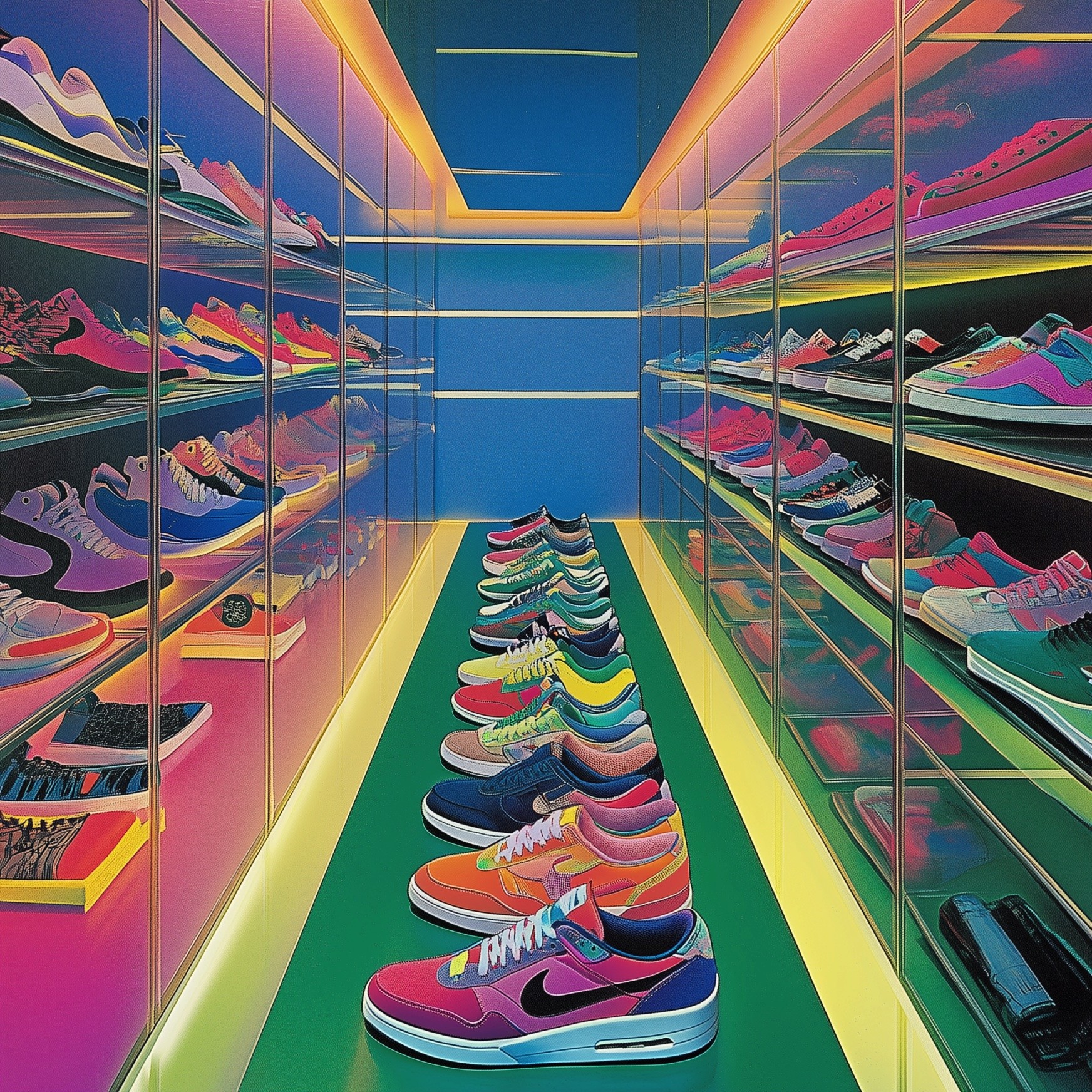
The rarest drop. The holy grail find. The final piece to complete the set.
Collectors will wait in lines, refresh pages, and dig through flea markets—because the search is part of the magic. One collector from our research admitted to camping outside a store for hours just to secure a rare collectible. It wasn’t just about owning it—it was about earning it.
Why do we do it? Because when everything is instantly available, the hard-to-get becomes even more desirable. The dopamine hit of discovery beats the feeling of simply owning something.
In an era of instant gratification, collecting reminds us that the best things take time.
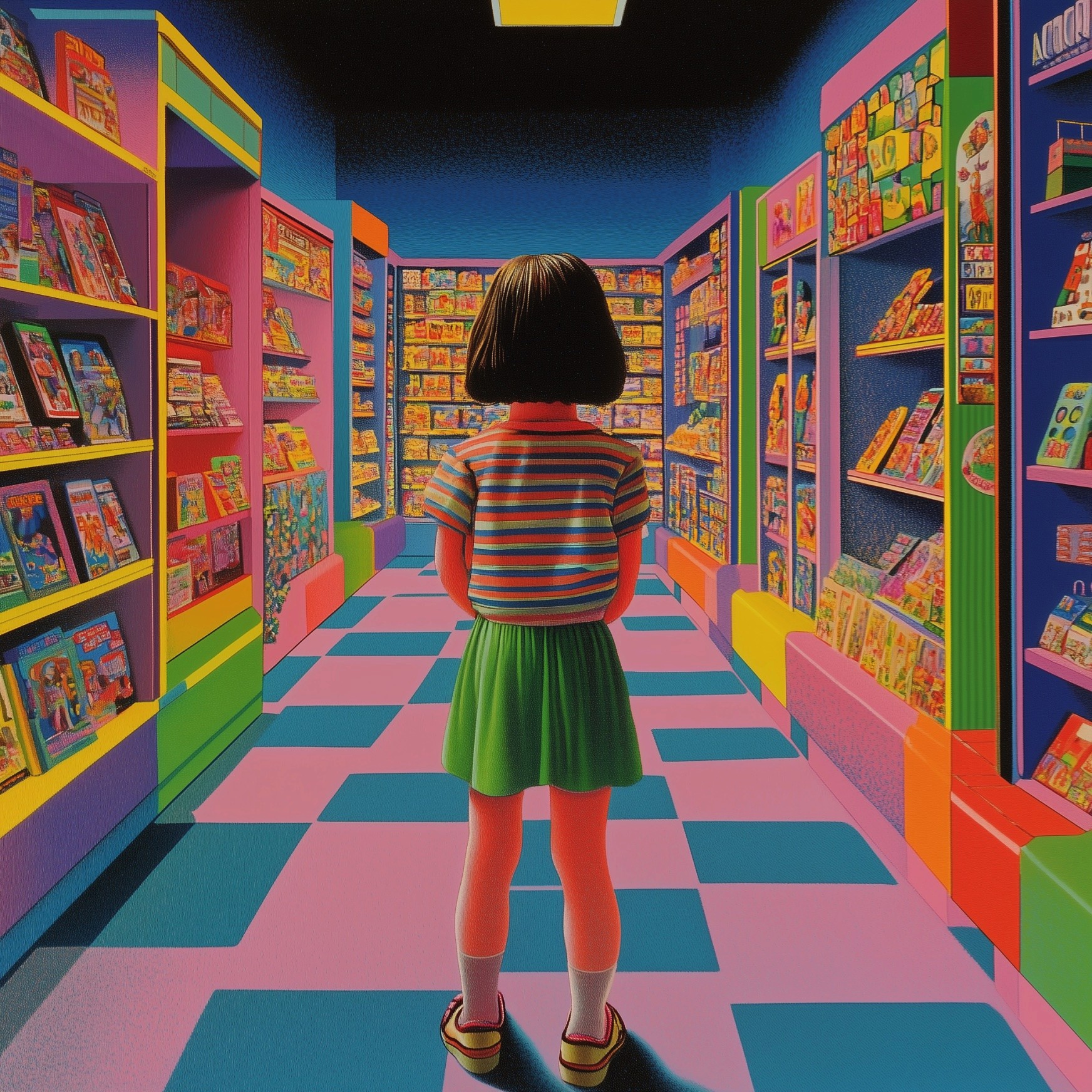
We don’t just remember the past—we try to hold onto it.
That first band T-shirt. That childhood action figure. That vinyl record we played over and over.
Our research showed that collectors are drawn to the things that shaped them—a way to keep memories alive and tangible. This is why nostalgia drives entire industries—Stranger Things’ ‘80s revival, Y2K fashion making a comeback, the resurgence of vinyl records. One collector in our study bought a Transformers figure—not because he needed it, but because it reminded him of Saturday mornings as a kid. The purchase wasn’t about the toy—it was about the feeling it unlocked.
As the world speeds up, nostalgia-driven collecting offers an anchor—a way to bring the past into the present.

Collectors don’t just hoard—they share. They post their rarest finds online. They trade, debate, and flex their latest pickup in a community that speaks their language.
Vince’s daughter didn’t just love collecting with her dad—she loved showing off their collection to her friends. The real joy wasn’t in owning, but in sharing the excitement.
From sneaker culture to vintage gaming forums, collecting has always been a social currency—a way to connect with people over shared passions.
It’s why sneakerheads camp outside stores for a drop together. It’s why record collectors dig through crates at indie shops, talking about lost classics. It’s why collectors build entire digital communities around what’s on their shelves.
In a time when digital connection can feel shallow, collecting builds real, shared experiences.

We’re moving into a world where AI can generate anything on demand, where physical ownership feels less necessary. And yet—collecting is more powerful than ever.
Because collecting has never been about just owning things. We collect to mark the moments that matter, to create a sense of place in an ever-changing world, to tell a story that only we can tell. A collection is a record of choices, of experiences, of passions pursued. It’s a map of where we’ve been, a hint at where we’re going, and a snapshot of who we are—captured in objects that feel too important to let go.
And that’s why collecting won’t disappear—it will evolve.
We may collect differently. We may swap shelves for digital archives, storage bins for curated subscriptions, physical objects for experiences that can’t be boxed. But the instinct will remain.
Because in the end, collecting isn’t about what we keep. It’s about what we refuse to forget. Because the collections that last aren’t defined by what they’re made of—they’re defined by what they mean. To us, to others, to the stories we choose to carry forward.