What if joy was our greatest design principle?

What if joy was our greatest design principle?

Mute

Unmute

Mute

Unmute

Mute

Unmute

We are more connected than ever, yet somehow, more divided. We move through the world next to each other, yet we increasingly feel isolated.

Conversations have become harder. Common ground feels more difficult to find. And yet, one thing hasn’t changed: people still crave connection. No matter where we live, what we believe, or how much the world around us shifts, we seek moments of shared experience—places where we feel part of something bigger than ourselves. And joy is one of the most powerful ways we find it.

“Joy can be deeply personal—the quiet satisfaction of a sunrise, the warmth of a pet curled up beside us, the pride of a child's first steps. But some of the most powerful forms of joy aren’t solitary—they are shared.”

“Joy can be deeply personal—the quiet satisfaction of a sunrise, the warmth of a pet curled up beside us, the pride of a child's first steps. But some of the most powerful forms of joy aren’t solitary—they are shared.”

“Joy can be deeply personal—the quiet satisfaction of a sunrise, the warmth of a pet curled up beside us, the pride of a child's first steps. But some of the most powerful forms of joy aren’t solitary—they are shared.”

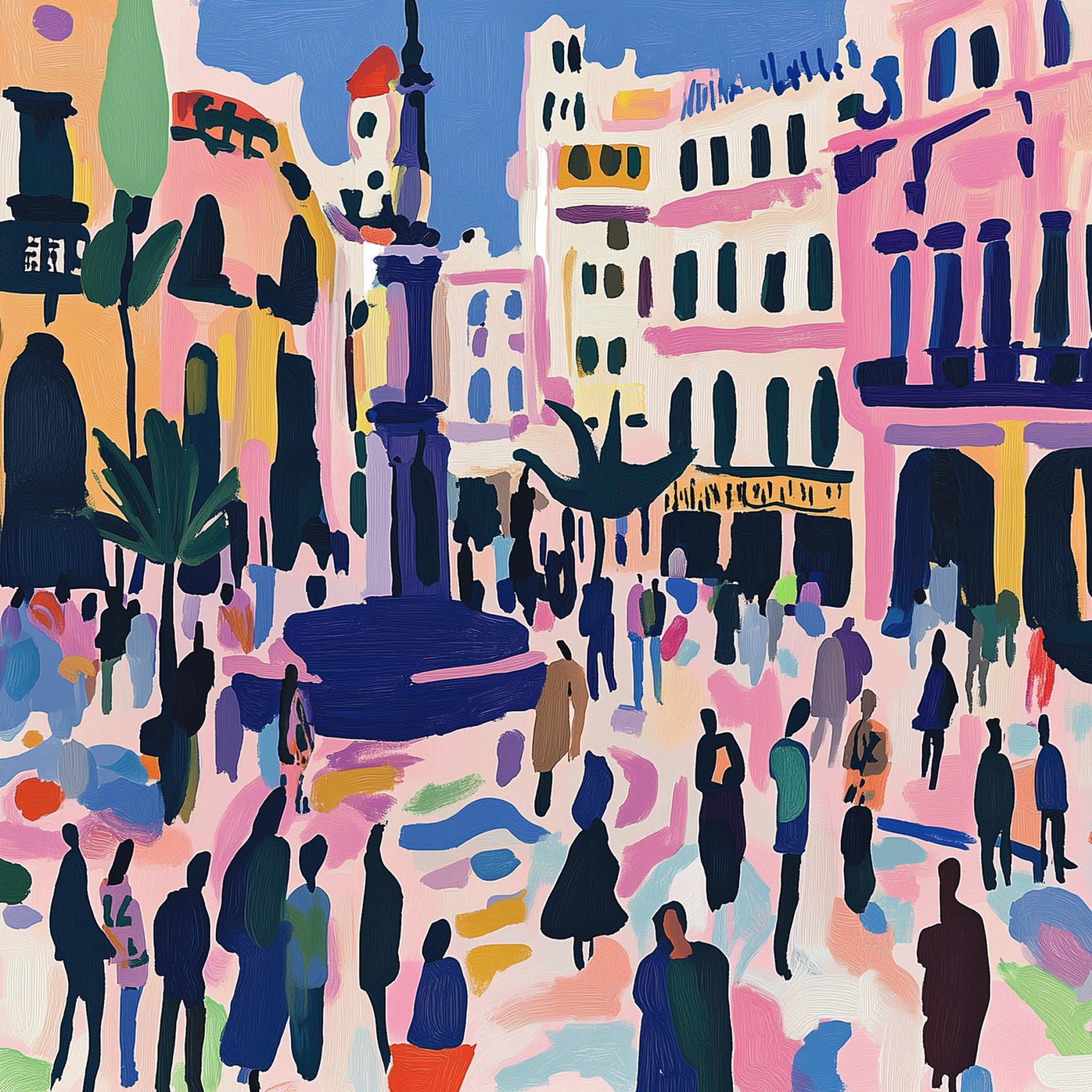
Sometimes, it’s obvious—a roaring stadium, a packed festival crowd. Other times, it’s quieter—the unspoken connection between two strangers watching the same sunset, or the smiles exchanged as someone plays music on a city street. Not all shared joy is loud, but even in small moments, it has the power to bring people together.

Joy collapses barriers, pulling people into sync, reminding us—if only for a moment—of what we share. It’s there in the shared wonder of watching fireworks light up the night sky—a fleeting but collective experience that unites people in awe.

Yet joy doesn’t always emerge where we expect it. Our research took us into spaces of uncertainty—places where joy could have felt impossible. And yet, it wasn’t just present—it was necessary.
01

01

Joy has the power to transform even the most unlikely places.

Joy has the power to transform even the most unlikely places.

Healthcare today is often a space of dread—a system built for efficiency rather than humanity. Walking into a hospital, people feel fear, uncertainty, and isolation. Yet our research uncovered something powerful: when music enters these spaces with intention, everything shifts.

We saw how a child, too exhausted to speak, suddenly came alive at the sound of their favorite song. A worried parent hummed along, shoulders softening. A nurse, drained from caregiving, swayed to a melody floating down the hall. These weren’t just background sounds—they were moments designed to interrupt fear, offer comfort, and remind people they weren’t alone.

Music didn’t make illness disappear. But it made the experience feel human again.

And this isn’t limited to hospitals. Music shapes our most joyous celebrations—weddings, stadium anthems, festival drumbeats that move thousands in sync. It transforms how we feel—not just individually, but together.

Hospitals are designed for efficiency. But what if they were designed for joy? If something as simple as music can transform the experience of care, imagine what could happen if we designed joy into every part of life—not as an afterthought, but as a priority.

01

Joy has the power to transform even the most unlikely places.

Healthcare today is often a space of dread—a system built for efficiency rather than humanity. Walking into a hospital, people feel fear, uncertainty, and isolation. Yet our research uncovered something powerful: when music enters these spaces with intention, everything shifts.

We saw how a child, too exhausted to speak, suddenly came alive at the sound of their favorite song. A worried parent hummed along, shoulders softening. A nurse, drained from caregiving, swayed to a melody floating down the hall. These weren’t just background sounds—they were moments designed to interrupt fear, offer comfort, and remind people they weren’t alone.

Music didn’t make illness disappear. But it made the experience feel human again.

And this isn’t limited to hospitals. Music shapes our most joyous celebrations—weddings, stadium anthems, festival drumbeats that move thousands in sync. It transforms how we feel—not just individually, but together.

Hospitals are designed for efficiency. But what if they were designed for joy? If something as simple as music can transform the experience of care, imagine what could happen if we designed joy into every part of life—not as an afterthought, but as a priority.

02

02

We have optimized for efficiency—what if we optimized for joy?

We have optimized for efficiency—what if we optimized for joy?

For decades, we have optimized how we work, how we consume, how we move through the world. But efficiency doesn’t create community. Productivity doesn’t strengthen relationships. And engagement—at least the way we’ve designed it—often leaves people more isolated than connected.

But what happens when we design for joy instead?

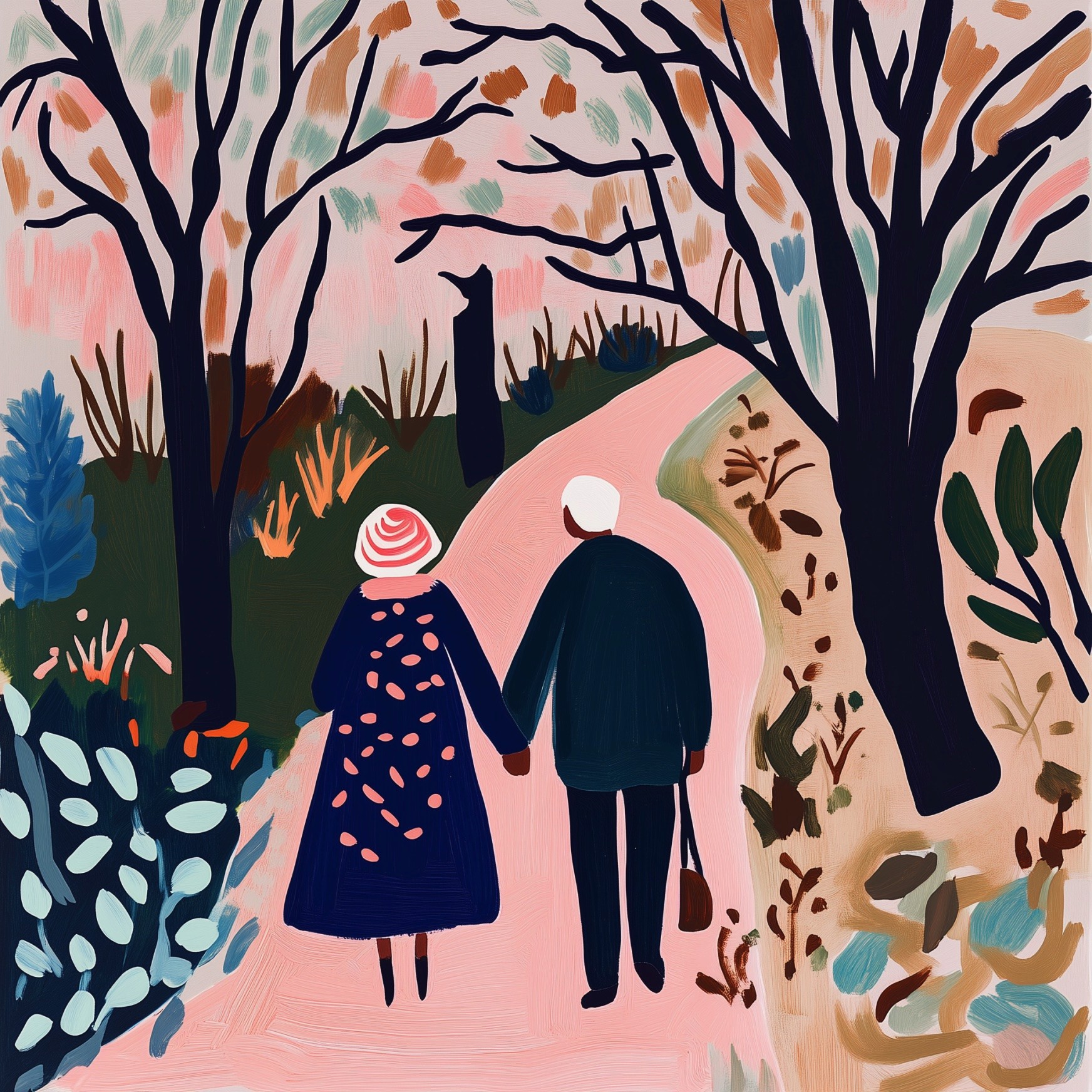
Joy has the power to bring people together in ways that efficiency never could. It turns individuals into communities, strangers into something more. It creates shared rituals, moments of recognition, spaces where belonging can take root.

Imagine what would happen if we designed more of the world with this in mind—not just to improve experiences, but to rebuild the spaces where connection happens. Because in the end, joy is not just about feeling good—it’s about bringing people back to one another.

We have spent years designing for engagement, efficiency, and productivity—but when we fail to design for joy, we fail to design for belonging.
03

03

Joy is not just an escape—it is what connects us.

Joy is not just an escape—it is what connects us.

Music is one of the most powerful ways to create joy, but it’s not the only one. Wherever joy is intentionally designed, it has the power to create belonging.

We see it in sports stadiums, where thousands chant in unison, becoming part of something bigger. We see it in theme parks like Disneyland, where shared wonder dissolves differences between strangers. We see it in movement-based communities—marathon runners high-fiving at the finish line, virtual Peloton classes forging real-world friendships. We see it in play and creativity, where brands like LEGO invite people of all ages to build, imagine, and engage in something lighthearted.

But not all joy fosters connection. Some joy builds bridges; other forms deepen divides. The same energy that unites fans can also fuel rivalry and exclusion. History has shown that collective euphoria can be used for solidarity—or for division.

That’s why the way we design for joy matters. If we want joy to be a force that brings people together, we must design for shared joy, not just collective excitement. These moments don’t happen by accident—they are built, shaped, and made possible by design. So why do we so often treat it as an afterthought?

04

04

The joy we design shapes the world we live in.

The joy we design shapes the world we live in.

For too long, joy has been treated as an extra—a reward, an afterthought. But our research tells a different story.

What if technology, products, and spaces weren’t just optimized for efficiency, but for joy? What if innovation wasn’t just about making things faster, but making them more meaningful?

The next time you experience a moment of joy—a song that moves you, a laugh shared with a stranger—pause.

Ask yourself: Why did this moment matter? And how can we create more of it?

Joy isn’t something we should leave to chance. It’s something we can design into the world around us. Because in the end, policies will change. Headlines will fade. The world will shift in ways we can’t yet predict. But what stays with us—what truly shapes how we move through life—is joy. The moments of laughter. The music that carried us. The feeling of belonging.

And maybe, that’s the most important thing of all.

More Signals

We Swing for
the Fences

We Swing for
the Fences

We Swing for
the Fences

We’re not here to play it safe. We thrive under the bright lights. This isn’t about settling for a base hit—it’s about going big and knocking it out of the park. When the stakes are high, we show up ready to deliver.

We’re not here to play it safe. We thrive under the bright lights. This isn’t about settling for a base hit—it’s about going big and knocking it out of the park. When the stakes are high, we show up ready to deliver.

We’re not here to play it safe. We thrive under the bright lights. This isn’t about settling for a base hit—it’s about going big and knocking it out of the park. When the stakes are high, we show up ready to deliver.

© 2025 Moonshot Group LLC. All Rights Reserved.

© 2025 Moonshot Group LLC. All Rights Reserved.