
Identity is evolving, but the pursuit of authenticity and self-expression remains a constant.
The concept of finding harmony between who we are internally and how the world perceives us is both deeply personal and profoundly universal. For some, it comes easily; for others, it’s a journey shaped by courage and resilience. Gender identity, in particular, has become a frontier of exploration and transformation—challenging long-held norms and inspiring innovative paths to self-recognition.
Now imagine a world where affirming garments are not just functional tools but symbols of empowerment. These garments have the potential to redefine the relationship between mind and body, fostering a sense of alignment that goes beyond appearance. They offer comfort and courage, providing individuals with a means to embody their true selves in a society that increasingly values inclusivity and diversity.
Through our research, we’ve delved into the lives of individuals navigating gender dysphoria, uncovering stories of struggle and triumph. The evolving relationship between identity and self-expression reveals a universal truth: the need for visibility, acceptance, and the freedom to exist fully as oneself.
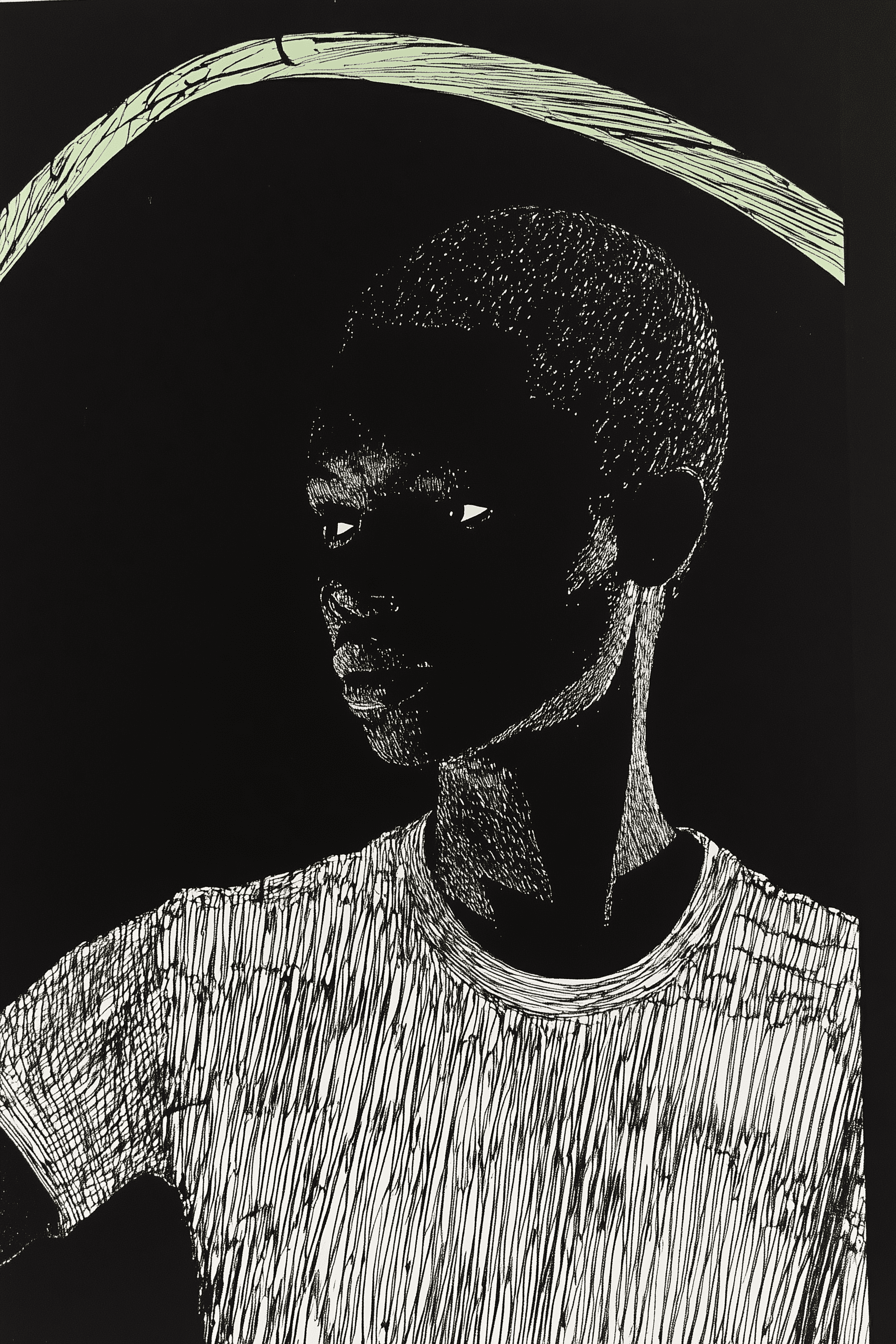
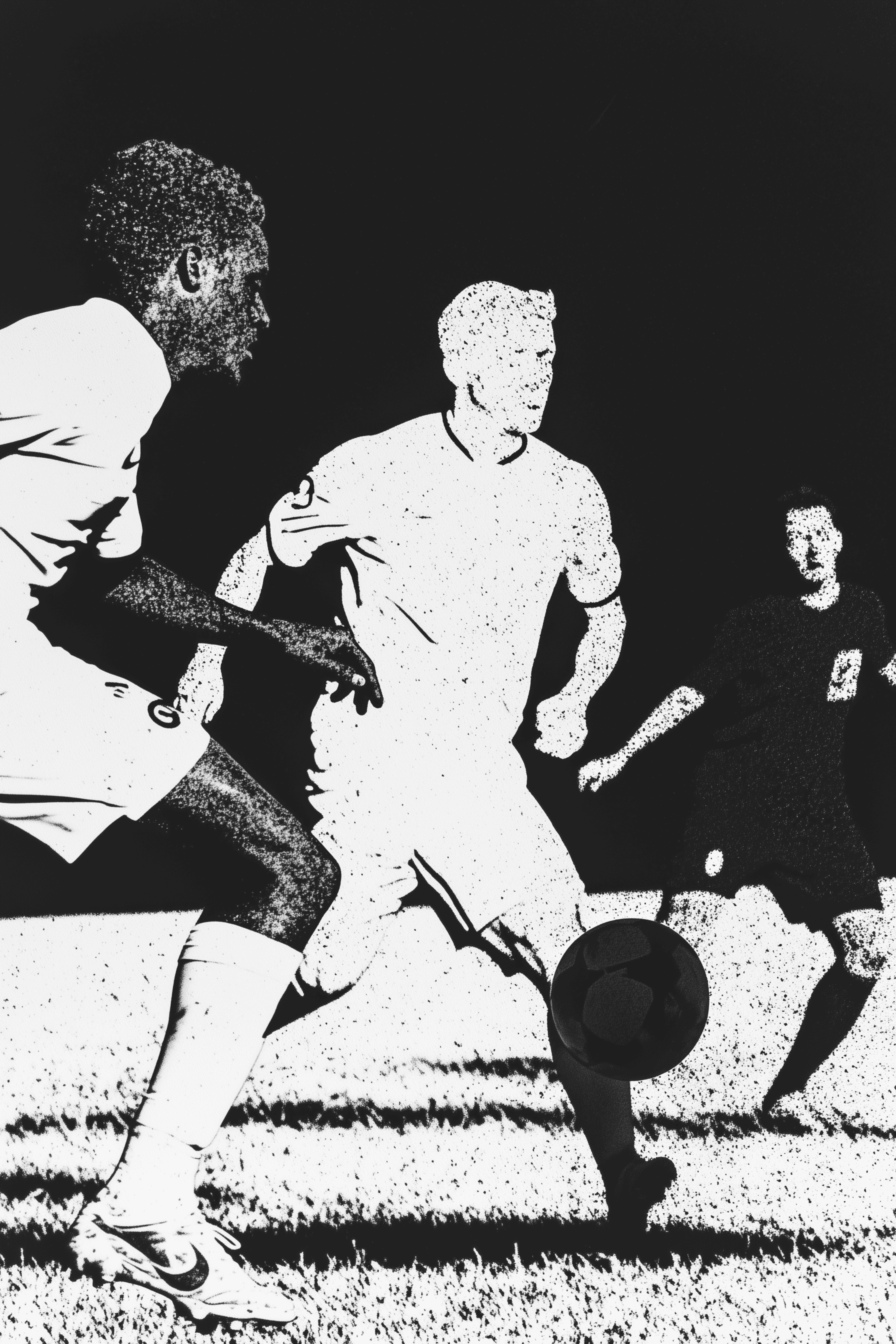
Sports—often a symbol of teamwork and personal growth— can become fraught with tension for transgender and gender-nonconforming athletes. Gendered spaces like locker rooms and uniforms exacerbate dysphoria, making participation challenging. Some athletes persevere, driven by their love of the game, while others step away, feeling that these environments fail to reflect their identities.
For these individuals, inclusion is more than a seat at the table—it’s about creating spaces that celebrate diversity and allow athletes to participate without compromising their authenticity or well-being.
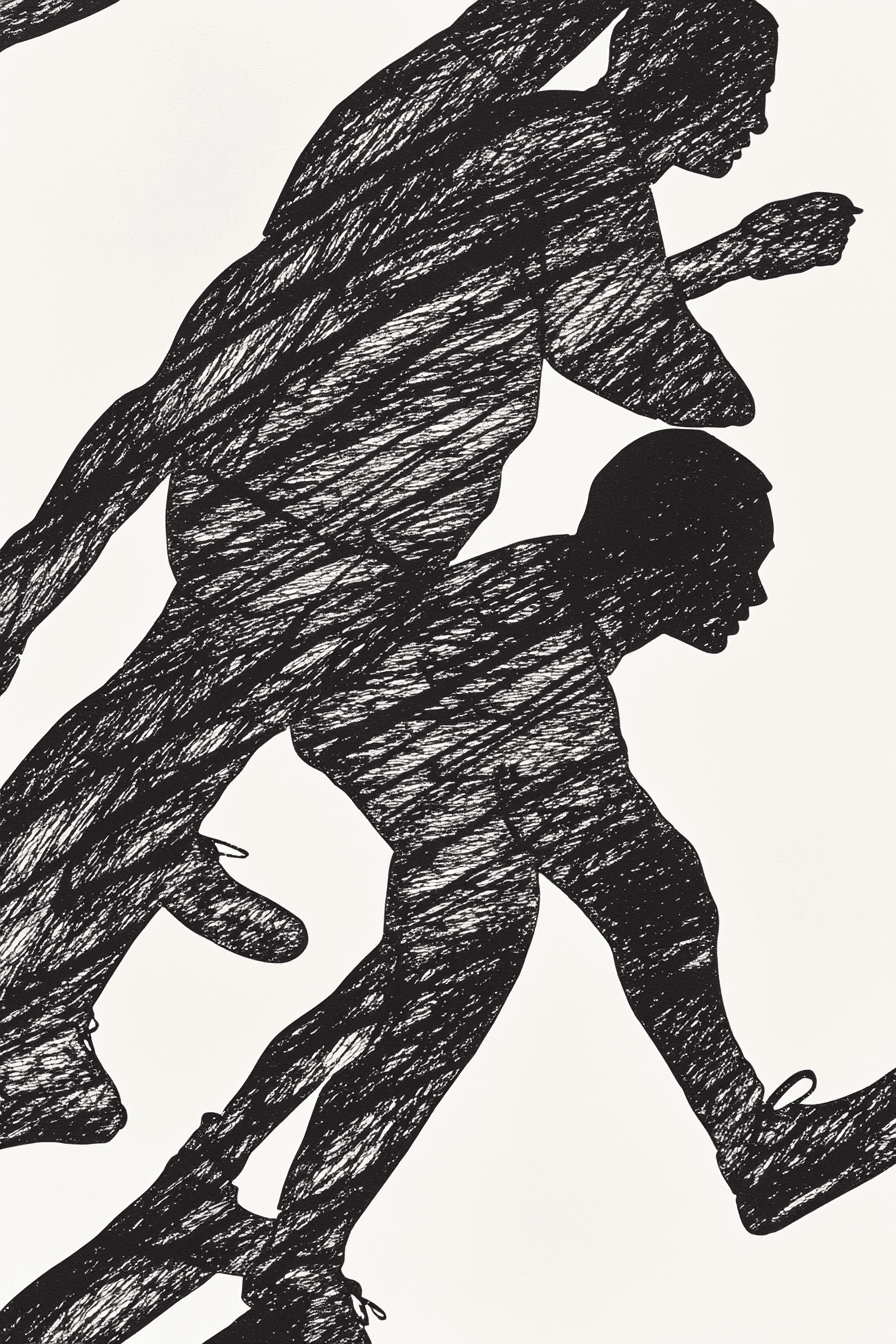
Affirming garments—such as binders and body shapers—play a pivotal role in helping individuals align their external appearance with their internal sense of self. These tools offer relief from dysphoria, providing a sense of comfort and control. One participant noted how affirming garments made them feel "aligned with the way I always envisioned myself in this world," illustrating their transformative impact.
However, challenges remain. Discomfort from prolonged wear, limited sizing options, and high costs pose significant barriers for many individuals. Despite these hurdles, affirming garments continue to be vital tools for self-expression, offering both physical and emotional empowerment.

Our findings underscore the need for innovation and collaboration in this space. Inclusive designs that accommodate diverse body types—coupled with accessible pricing and safe materials—are essential. Policymakers and brands must work together to address these needs, supporting research and creating policies that recognize affirming garments as essential.
Community engagement is equally critical. Partnering with trans-owned businesses and integrating feedback from the transgender and gender-nonconforming community can ensure products reflect the needs of those they serve. Education campaigns can further reduce stigma and promote safe use, fostering broader understanding and acceptance.
This is about more than products—it’s about empowering individuals to live authentically in a world that celebrates diversity. With thoughtful design, collaboration, and advocacy, affirming garments can continue to serve as tools of empowerment and symbols of a more inclusive future.