Preloved clothing is redefining how Generation Z connects with fashion, sustainability, and individuality.
Imagine finding a one-of-a-kind jacket from the ‘90s or a vintage dress that tells a story from decades past. For Gen Z, thrifting is more than a shopping choice—it’s a way to align their wardrobes with their values.
This generation, born between the mid-1990s and early 2010s, is reshaping how fashion is consumed. According to our research, 80% of Gen Z actively purchases second-hand goods, with nearly one in three participating as sellers on platforms like Depop or Poshmark. This enthusiasm for preloved fashion reflects a deeper ethos: a desire to reduce waste, champion sustainability, and make meaningful choices about what they wear.
Yet, while preloved fashion is thriving, the same generation is also driving the meteoric rise of ultra-fast fashion brands like SHEIN and Fashion Nova. This duality reflects the complexities of Gen Z’s consumption habits, shaped by both ideals and practicality.
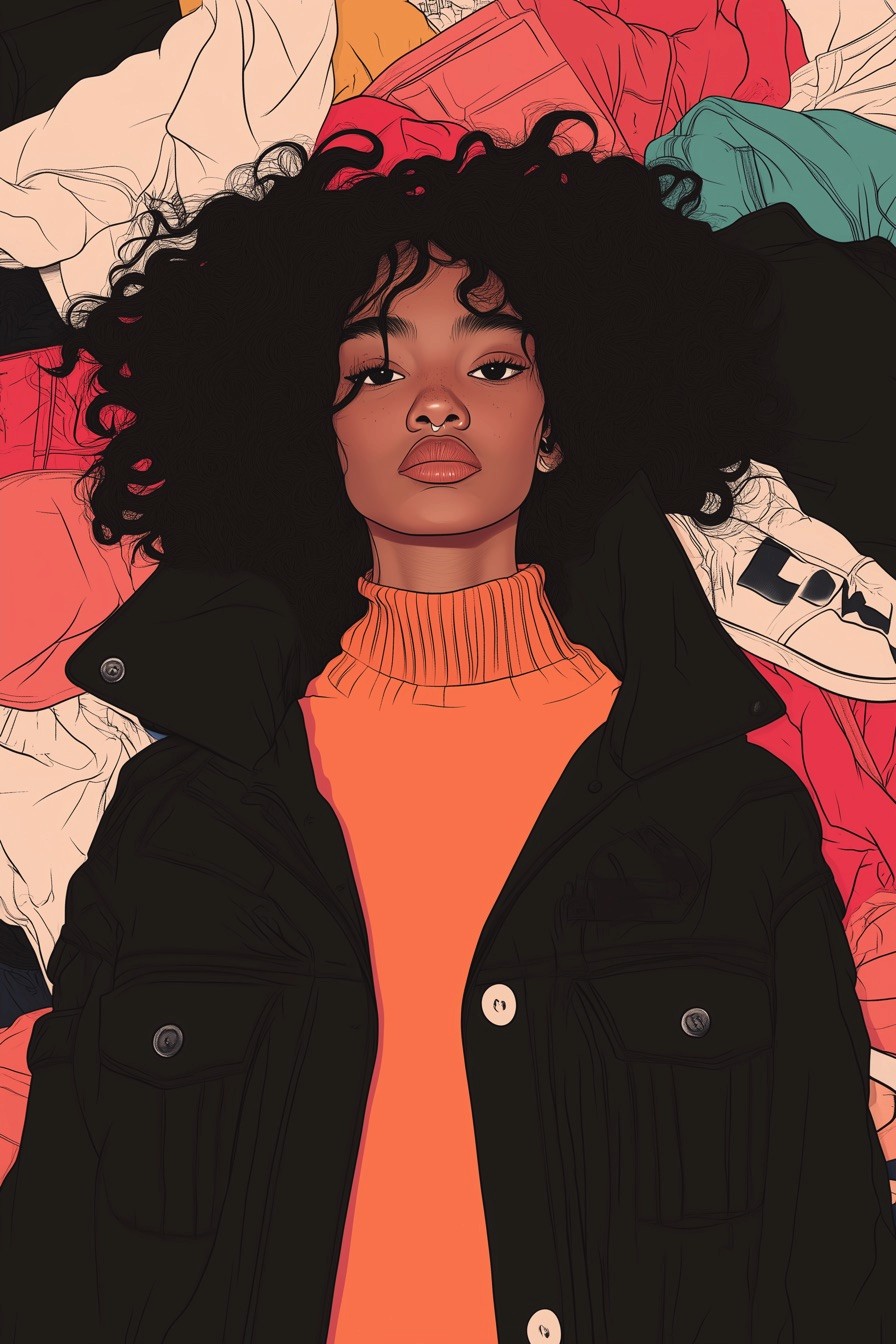

Beyond individuality, preloved fashion aligns with Gen Z’s commitment to sustainability. Raised amid growing awareness of climate change and environmental degradation, they are acutely aware of the fashion industry’s environmental toll. Thrifting offers a tangible way to reduce waste, support circular consumption, and reject overproduction. For many, it’s both a personal and collective act of rebellion against unsustainable practices.
One respondent reflected, “Even if we can’t stop environmental damage completely, we can slow it down. Paying attention to sustainability doesn’t have to consume your life, but small, consistent choices make a big impact.” This sentiment encapsulates how preloved clothing enables Gen Z to turn their values into actionable change.

Platforms like TikTok and Instagram have been instrumental in popularizing preloved clothing among Gen Z. Influencers showcase their thrifted finds, offering tips on styling, alterations, and navigating second-hand platforms. These efforts elevate thrifting into a cultural movement, making it aspirational and accessible to a broader audience.
By providing creative inspiration and guidance, social media demystifies second-hand shopping and encourages young consumers to see it as a viable, exciting alternative to fast fashion. This sense of community and shared purpose has made preloved clothing a central part of Gen Z’s fashion identity.
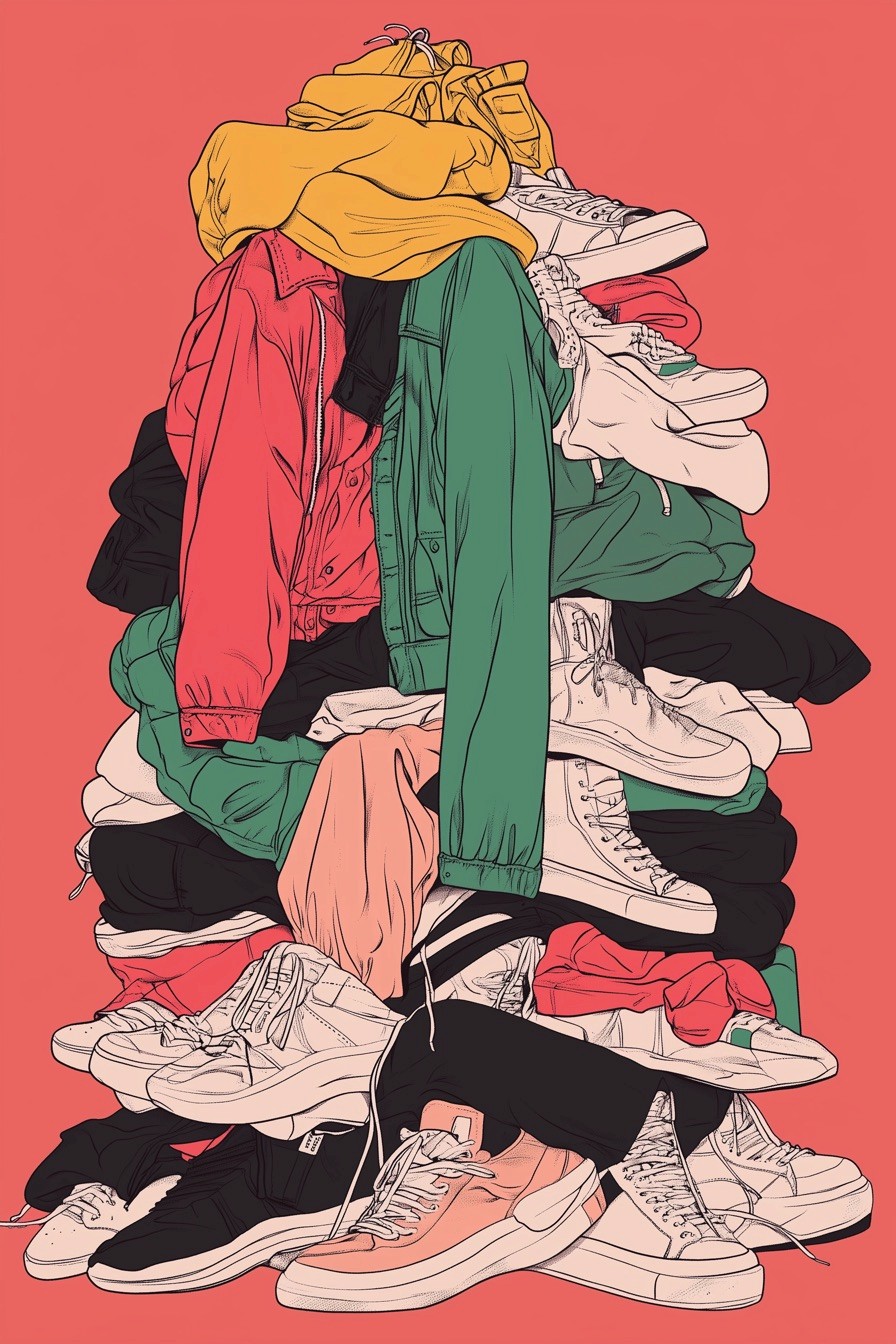
While Gen Z champions preloved fashion, their consumption habits also drive the success of fast fashion brands like SHEIN and Fashion Nova. These brands thrive on affordability, accessibility, and trend responsiveness—qualities that often fill gaps where preloved options fall short. Fast fashion provides immediate access to viral styles and inclusive sizing, appealing to a generation that values both creativity and convenience.
This duality underscores the tension between Gen Z’s ideals and the realities they face. Sustainability matters deeply to many, but affordability and accessibility remain critical for a younger demographic navigating financial constraints. Fast fashion meets these needs in ways preloved options sometimes cannot.